Spring into Running: How to Transition Outdoors Without Injury
The Appeal of Spring Running — And the Risks of Jumping In Too Fast
Warmer weather brings runners back — fast
Spring is a season of renewal — not just for nature, but for runners, too. As the weather warms and the daylight stretches longer, it's tempting to lace up your shoes, hit the pavement, and log miles like winter never happened. But after months of treadmill runs, strength cycles, or seasonal rest, a quick transition to outdoor running can carry serious risks if you're not intentional.
Why runners are more vulnerable in early spring
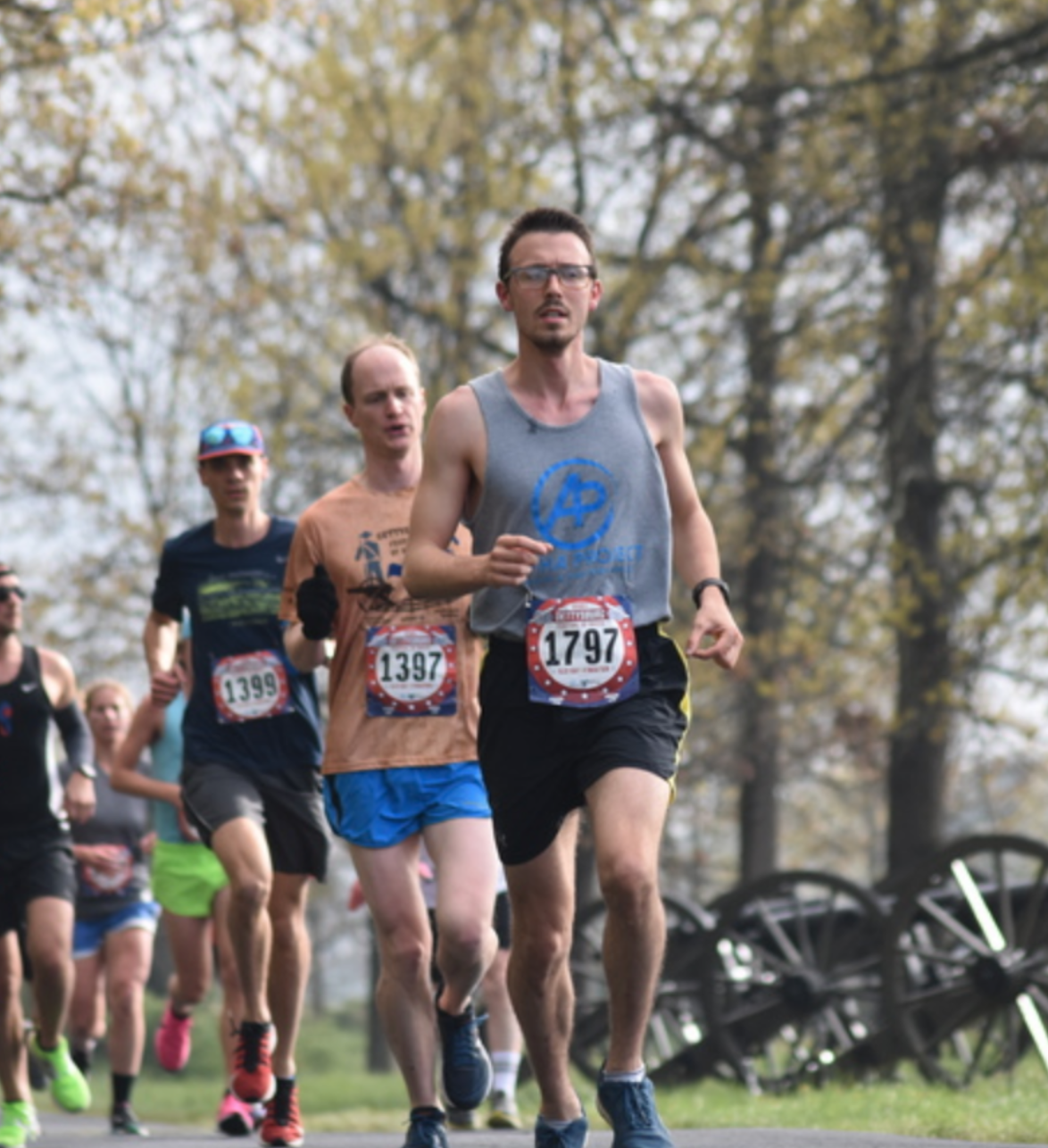
Many runners ramp up their training too quickly after a winter layoff, underestimating how much their biomechanics, strength, or endurance have shifted. The result? A spike in soft tissue injuries like plantar fasciitis, IT band syndrome, shin splints, and Achilles tendonitis. These aren’t just minor annoyances — they can derail your entire season.
Understanding your body’s transition curve
Your body needs time to adapt to the demands of outdoor running — even if you’ve been staying active indoors. Pavement is less forgiving than a treadmill, and variations in terrain, temperature, and incline demand more from your joints, stabilizers, and cardiovascular system. That’s why physical therapy for runners plays such a key role in spring training — it helps you prepare, recover, and train smarter from the start.
Understanding the Biomechanics of Outdoor Running
The pavement isn’t just harder — it moves differently
If you’ve been logging winter miles on a treadmill, your body has likely adapted to that controlled environment: consistent pace, level surface, and predictable cushioning. Outdoor running introduces an entirely new set of variables — pavement, trails, curbs, hills, and even the camber of the road. These differences can alter your stride length, joint loading, and muscular recruitment.
How running mechanics change outdoors
When you step outside, your body has to work harder to stabilize on uneven ground. You’ll likely use your ankles, knees, and hips differently — especially if your route includes inclines or declines. Your stride may naturally lengthen or shorten depending on the surface and slope, and without realizing it, you might compensate in ways that stress certain joints or tissues. That’s where form breakdowns begin.
The role of gait analysis in injury prevention
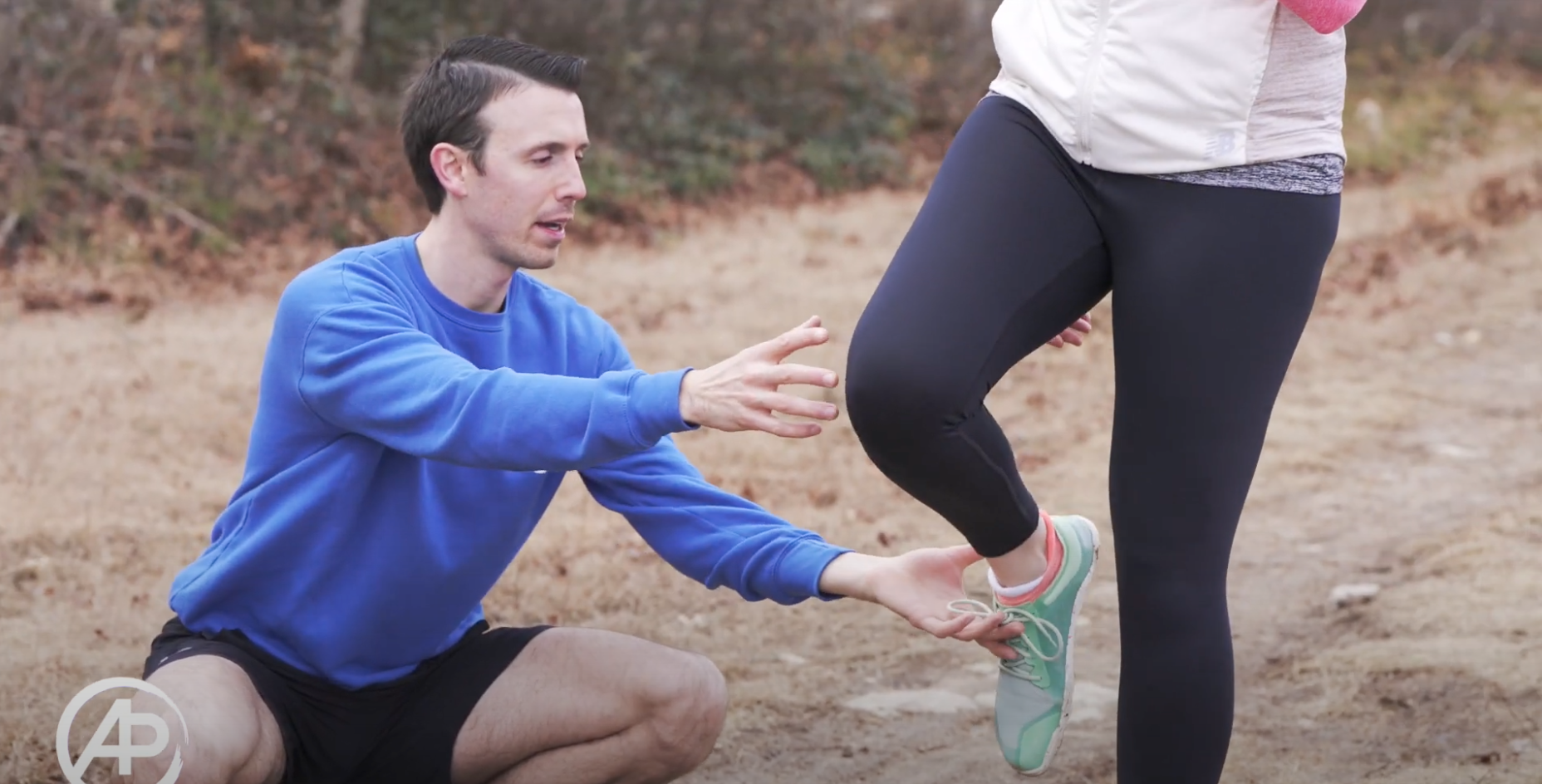
This is exactly why physical therapists who specialize in physical therapy for runners recommend movement assessments when transitioning back outdoors. At Alpha Project Phyzio & Performance in Columbia, MD, we use gait analysis to examine how your foot strikes, how your hips stabilize, and how your core and upper body influence running efficiency. With this information, we can pinpoint inefficient patterns and help you correct them before they lead to injury.

Common Mistakes Runners Make When Returning Outdoors
Doing too much, too soon
One of the most common missteps spring runners make is assuming they can pick up where they left off in the fall. But after months of lighter mileage or indoor training, your muscles, joints, and connective tissues need time to readjust to the impact of outdoor running. Rapidly increasing volume or intensity is a recipe for overload injuries — especially to the knees, shins, and plantar fascia.
Skipping warmups, mobility, and recovery
It’s easy to rush out the door when the sun is shining, but skipping proper warmups and cooldowns is a fast track to tightness and strain. Without dynamic mobility work and post-run recovery routines, your body accumulates tension and loses efficiency. That’s why physical therapists always stress the importance of pre-run activations and post-run recovery strategies as part of a complete plan.
Neglecting base mileage and pacing strategies
Spring enthusiasm often leads runners to chase pace PRs before rebuilding their aerobic base. Instead of resuming speedwork immediately, it’s more beneficial to start with steady-state runs and effort-based pacing. A gradual build in weekly mileage, combined with regular recovery days, allows the body to adapt while minimizing fatigue. At our physical therapy clinic in Columbia, MD, we help runners create training schedules that align with their fitness level and goals — without risking breakdown.
How Physical Therapy for Runners Can Prevent Injury
Physical therapy isn't just for post-injury rehab
Many runners only seek help after an injury sidelines them — but the real value of physical therapy for runners lies in prevention. Working with a trained physical therapist before discomfort sets in helps identify weak links in your movement chain, improve biomechanics, and strengthen the muscles that support efficient, pain-free running.
Pre-season movement assessments uncover hidden risks
At Alpha Project Phyzio & Performance, we start with a full-body assessment to evaluate mobility, stability, and gait mechanics. This isn’t a quick once-over — it’s a detailed screen of how your joints move, how your core engages, and how your stride responds under different conditions. This gives us the data to develop a plan that supports your goals and protects your body as you increase mileage.
Addressing imbalances before they become injuries
Many running injuries stem from subtle movement patterns that go unnoticed — like limited ankle mobility, weak glutes, or uneven hip loading. These issues may not be painful at first, but they create stress over time that leads to tissue breakdown. Physical therapists trained in running biomechanics know how to correct these patterns using strength training, manual therapy, neuromuscular re-education, and sport-specific drills.
Individualized plans built around your stride
Cookie-cutter strength programs don’t work for every runner. That’s why our clinic creates personalized mobility and stability routines based on each runner’s body, stride, and training history. These plans integrate seamlessly into your training week — helping you build resilience while you chase your springtime goals.
Also read:
Breathing Exercises for Runners
Strength Training for a Half Marathon
#1 Thing I Treat in Pregnant Women: Pelvic Floor Muscle Tightness
Building a Balanced Spring Training Plan
Runners thrive with structure — not just mileage
When motivation is high, it’s easy to assume more miles = more progress. But without a structured plan, even well-intentioned runners can end up fatigued, plateaued, or injured. A balanced training plan accounts for mileage, intensity, recovery, and variability — all of which are critical for long-term success.
Weekly mileage progression: the 10% rule and beyond
A good starting point is to increase your weekly mileage by no more than 10% each week. But even that can be too aggressive if you’re returning from a lower baseline or previous injury. At our Columbia, MD physical therapy clinic for runners, we help runners adapt this rule based on their current condition, running history, and performance goals. Progression should feel challenging, but sustainable — not like you're constantly pushing the edge.
Cross-training to improve endurance and prevent burnout
Cross-training days give your joints a break while still building cardiovascular fitness. Low-impact activities like swimming, cycling, or rowing offer the aerobic benefits of running without additional stress on the knees and ankles. Strength training is also essential — especially for runners prone to overuse injuries. A well-rounded plan includes at least 1–2 days of cross-training per week to keep the body strong and adaptable.
Don’t skip the rest
Rest days aren’t a sign of weakness — they’re where growth happens. Recovery allows your tissues to repair and your nervous system to reset. Strategic rest also prevents the slow buildup of fatigue that leads to injury. Working with a physical therapist can help you determine when your body needs rest versus when it’s ready for another push.
Key Mobility and Strength Exercises for Injury Prevention
Mobility first: unlocking better movement patterns
Before you add more miles or intensity, your body needs to move well. Tight hips, stiff ankles, and limited hamstring flexibility are some of the most common mobility issues we see in runners. These restrictions create compensations in your stride — often leading to overuse injuries.
Mobility drills we recommend for runners:
90/90 hip rotations to open up internal and external hip rotation
Ankle dorsiflexion stretches to improve toe-off mechanics
Hamstring flossing to reduce tension and increase stride length
These should be done regularly as part of your warmup or cooldown routine.
Strength that supports speed, control, and durability
Runners need more than just strong quads. To maintain proper form and absorb impact, your glutes, core, calves, and deep stabilizers need to be equally engaged. Without this support, muscles fatigue faster, and your joints take the hit.
Key strength moves to include:
Single-leg Romanian deadlifts (RDLs) for hip stability
Glute bridges with resistance bands to activate the posterior chain
Bird dogs and side planks for core control during movement
Step-downs or lateral hops for balance and single-leg loading
These exercises are commonly prescribed at our physical therapy clinic to support efficient running mechanics and reduce injury risk.
Integrate, don’t isolate
The best injury prevention strategy isn’t doing one drill perfectly — it’s creating a routine that strengthens weak links, restores mobility, and reinforces good movement habits. Working with a physical therapist ensures you're targeting the right areas based on your unique needs.
Recognizing Early Signs of Injury Before They Worsen
Listen to your body — it’s always giving feedback
Every runner experiences soreness, especially when increasing mileage or returning to outdoor training. But there’s a difference between natural muscle fatigue and the early warning signs of injury. Knowing that difference can save you weeks — or even months — of downtime.
Good soreness vs. injury red flags
Mild, symmetrical soreness that fades within a day or two is normal — especially after hill work or a long run. But pain that’s sharp, persistent, or localized to one side is a red flag. Common early signs to watch for include:
Pain that worsens as you run, rather than fades
Lingering tightness or swelling in one area
Discomfort that impacts your walking or standing posture
Feeling like a joint is “off” or unstable
If you’re unsure, it’s always better to err on the side of caution and consult a professional.
The “wait and see” approach rarely works
Many runners ignore small aches until they become full-blown injuries. But tissue irritation doesn’t fix itself — it needs guidance, load management, and targeted exercises. At Alpha Project Phyzio & Performance, our physical therapists specialize in catching these issues early and building custom plans to keep you running safely.
Early intervention = faster return
The sooner you seek support, the quicker your recovery tends to be. A short check-in and movement screen can often catch inefficiencies that are easy to correct — preventing unnecessary time off and helping you maintain your spring momentum.
How Alpha Project Phyzio & Performance Helps Runners in Columbia, MD
Built for runners, by experts in movement
At Alpha Project Phyzio & Performance, we specialize in helping runners move better, train smarter, and recover faster. Whether you're preparing for your first 5K or chasing a marathon PR, our clinic offers performance-based physical therapy for runners tailored to every stage of your journey.
Advanced tools to optimize your stride
Our Columbia, MD clinic provides more than traditional rehab — we use detailed gait analysis, manual therapy, mobility screens, and strength testing to uncover the root cause of your running issues. Whether it's a subtle hip drop, overpronation, or post-ACL compensations, we help you correct patterns before they lead to injury.
Not just rehab — full-spectrum running care
We support runners through every phase:
Pre-season assessments to identify imbalances
In-season recovery and training modifications
Post-injury return-to-run protocols backed by data and real-world experience
Our team of physical therapists understands the unique demands of runners because we work with them every day — from weekend joggers to competitive athletes.
What to expect from your first visit
When you come in, we take time to understand your goals, history, and running routine. Then, we develop a plan that fits your body and your training — with clear progressions and one-on-one attention every step of the way.
Ready to Run Smarter This Spring? Let’s Get Started
Injury-free running starts with the right plan
Spring is the perfect time to reset your running goals — but doing it safely takes more than motivation. Whether you’re rebuilding mileage or aiming for your next race, Alpha Project Phyzio & Performance is here to help you run stronger, smoother, and without setbacks.
Get ahead of pain — before it starts
Our specialized physical therapy for runners in Columbia, MD is designed to meet your unique needs. From detailed gait assessments to mobility training and strength programs, we guide you toward long-term progress with expert care.
Schedule your assessment today
Let this be the season you train smarter, not harder.
Visit our Physical Therapy for Runners page to learn more, or Contact Us to book your first session.
Running should feel good. We’ll help you keep it that way.